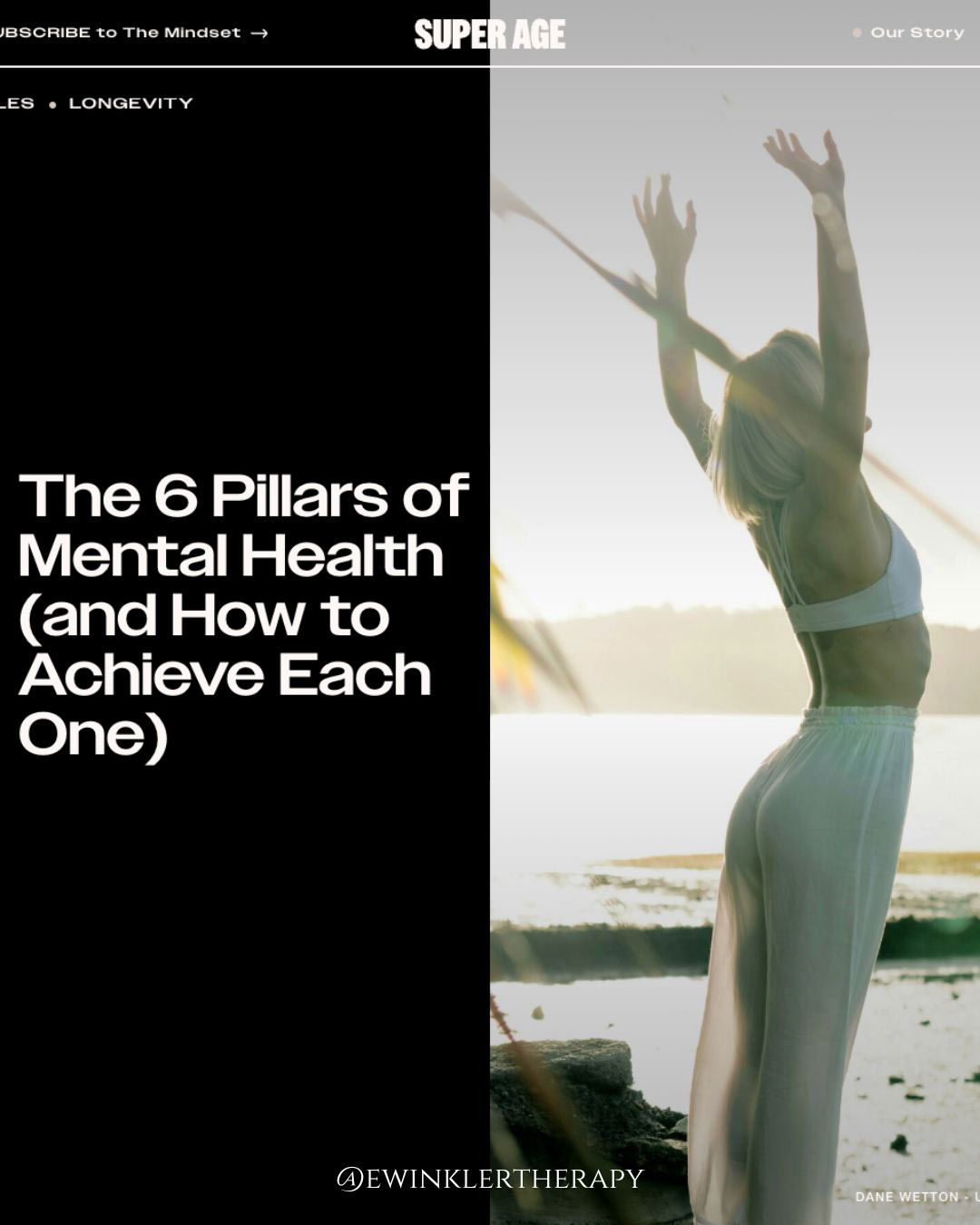
Super Age: The 6 Pillars of Mental Health (and How to Achieve Each One)
Dear Friends,
I was recently featured in Super Age in an article on The 6 Pillars of Mental Health, and it got me reflecting on three pillars I return to again and again in my work as a therapist, meditation teacher, and human being trying to stay present in uncertain times.
Purpose. Self-acceptance. Connection.
Because in overwhelming times, these are the anchors that help us find our footing.
1. Purpose
In the article, I shared that purpose is like your North Star. It helps orient you toward what matters most. Not in a rigid or performative way, but in a way that gives your life direction, meaning, and intention.

Purpose is so often treated like a destination. As if one day we’ll finally figure it out, arrive there, and never feel lost again. That has not been my experience. Purpose is less about a final answer and more about orientation. It’s the way we turn toward what matters. It’s how we choose to live in relationship with our values, our gifts, our pain, and our becoming. It is something we practice in small, living ways every day.
One of the questions I often invite people to ask themselves is this:
If this were your last day on earth, what moments, people, or places would stay with you most? What would you want to leave behind?
The answers tend to reveal something important. They show us where meaning already lives, what we most deeply value, and where we may want to invest more of our time, love, and energy.
2. Self-Acceptance
Another pillar I spoke about was self-acceptance, which I think is often misunderstood. Acceptance does not mean giving up. It does not mean approving of what hurts. It does not mean settling. It means telling the truth. It means being willing to face ourselves honestly enough that healing can actually happen.
As I shared in the piece:
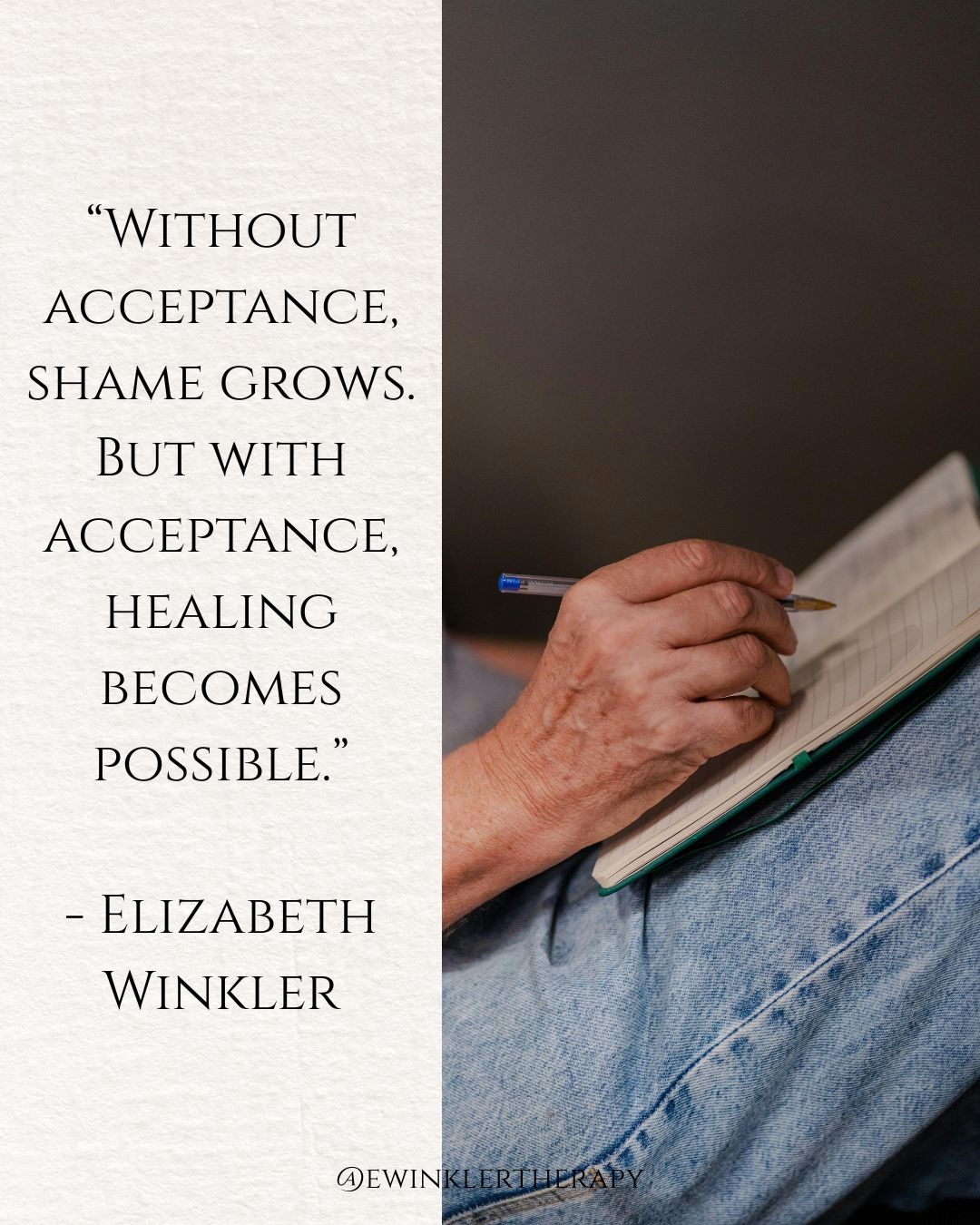
So much of the suffering I see in people has less to do with the pain itself and more to do with the war they are waging against their own experience. We reject the fear, the grief, the anger, the need, the wound, the younger part of us that still aches to be seen.
Yet the parts of us we exile do not disappear. They simply go underground and begin to speak through symptoms, projections, defensiveness, anxiety, numbness, or shame. Healing begins when we stop abandoning ourselves.
3. Connection
And then there is connection.
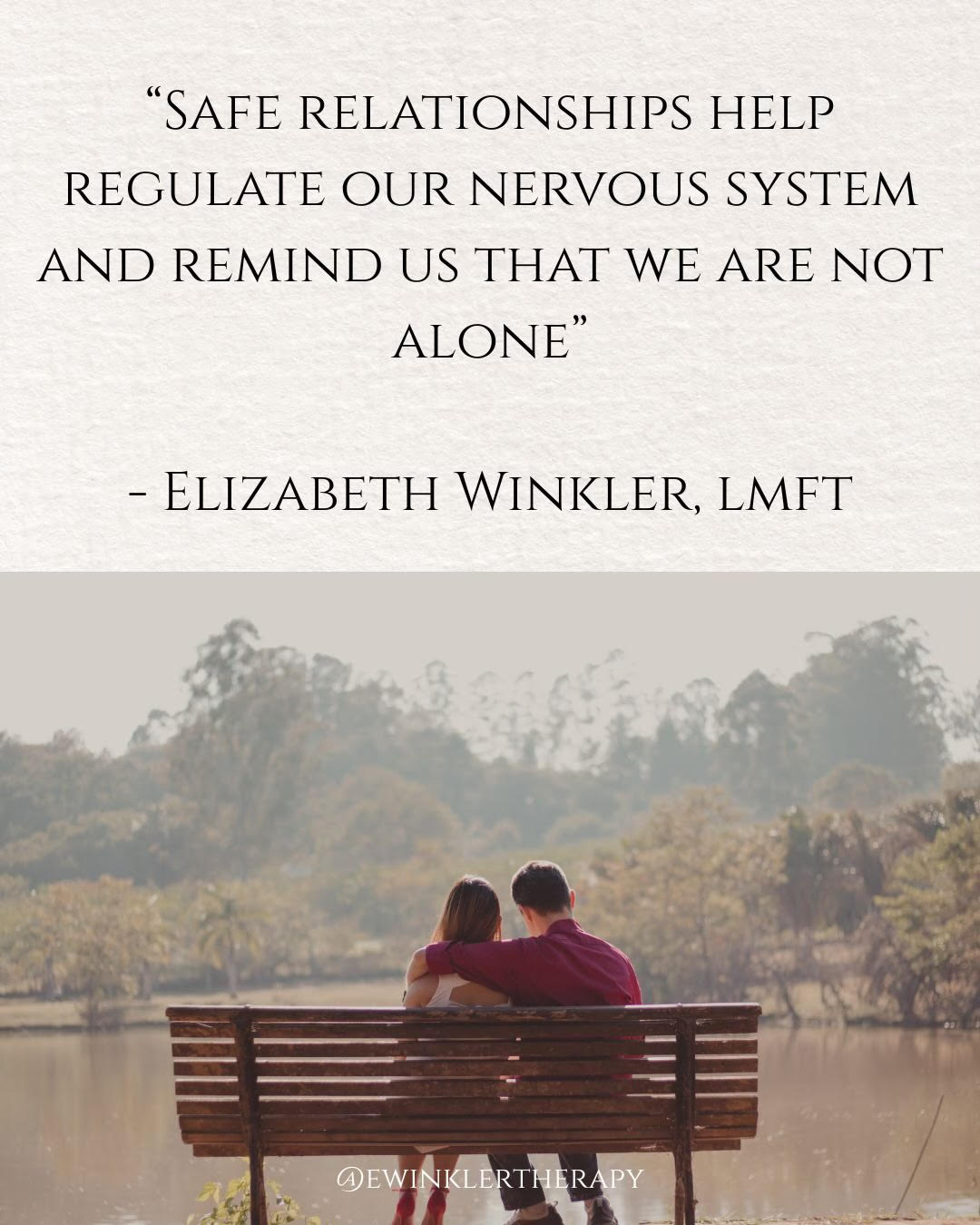
I think that matters deeply right now.
We live in a world that can feel fast, fractured, performative, and overstimulating. It is easy to become disconnected from ourselves while being constantly “connected” to everything else.
Real connection is different.
It is the exhale that happens when you feel safe enough to tell the truth. It is the person, the practice, the place, or the moment that helps your body remember it does not have to brace all the time. It is the quiet return to your own heart.
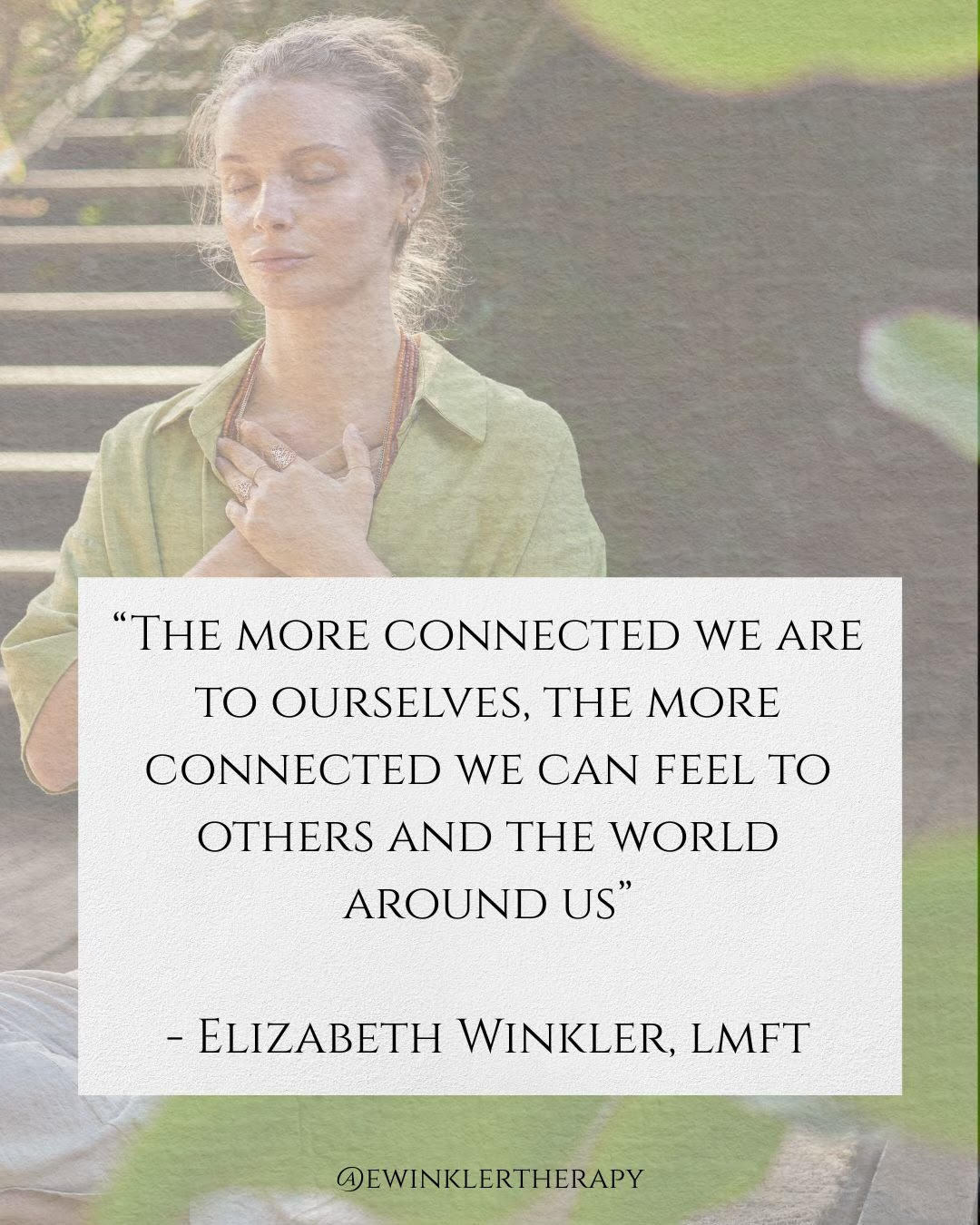
To me, mental health is not simply about reducing symptoms. It is also about building a life rooted in meaning, honesty, compassion, and connection.
So I leave you with a question:
Which pillar needs your attention right now — purpose, self-acceptance, or connection?
If you’d like to read the full Super Age piece, you can find it here: Super Age: The 6 Pillars of Mental Health (and How to Achieve Each One)
With love,
Elizabeth